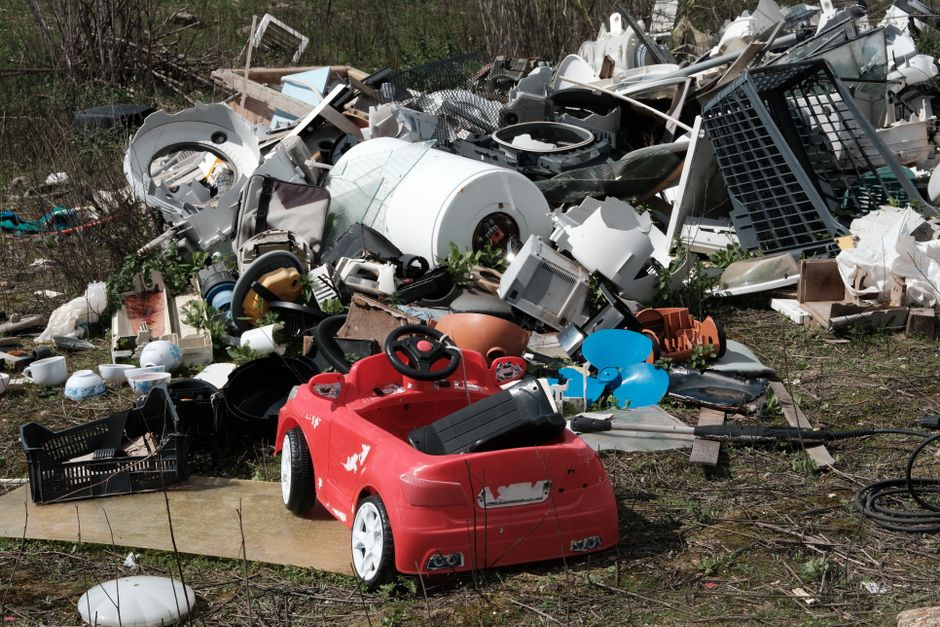
Local rubbish removal tips for Lewisham SE13 households
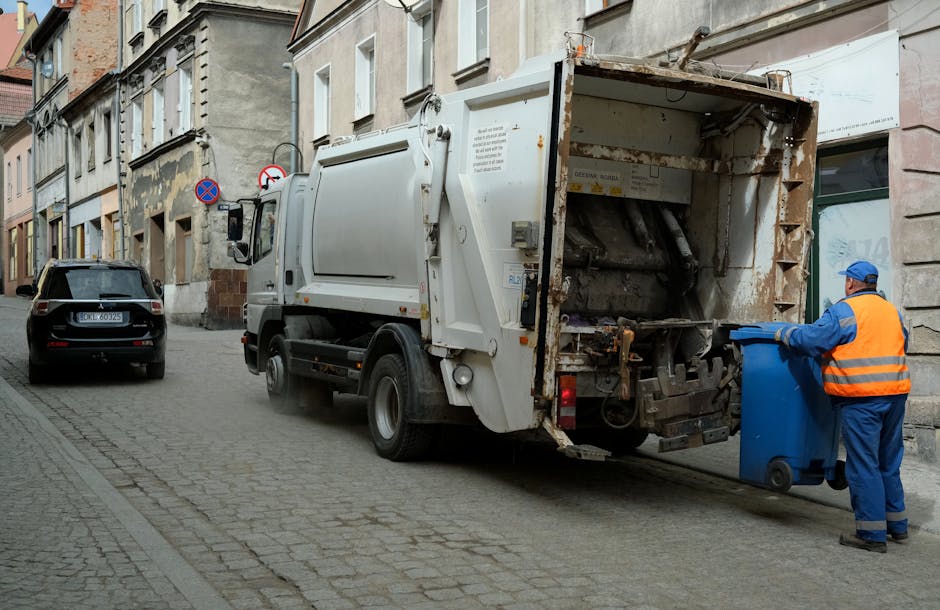
If you live in SE13, rubbish builds up in a very ordinary, very annoying way. One broken chair in the hallway. A couple of bin bags waiting by the back gate. A box of old bits that you keep meaning to sort "tomorrow". Then suddenly the flat feels smaller, the garden looks tired, and you are wondering what on earth to do with it all. These local rubbish removal tips for Lewisham SE13 households are here to make that part simpler, safer, and a lot less stressful.
Lewisham homes come in all shapes and sizes: Victorian terraces, maisonettes, flats above shops, and newer developments where access can be tight and shared spaces matter. That means rubbish removal is rarely just about chucking things out. It is about planning, access, timing, disposal routes, and avoiding the sort of mistakes that lead to extra hassle. This guide walks through the practical side of it, from sorting waste to choosing the right method for bulky items.
Why Local rubbish removal tips for Lewisham SE13 households Matters
Rubbish removal sounds simple until you try doing it in a busy London street, up three flights of stairs, or through a narrow front path with parked cars outside. In SE13, that reality matters. A good plan saves time, avoids blocked entrances, and helps you stay on the right side of local expectations around waste storage and disposal.
There is also the straightforward comfort factor. Nobody wants bags piling up in a small kitchen or a sofa sitting in the lounge for two weeks because the "one day we'll sort it" moment never arrives. To be fair, that is how clutter usually wins: quietly, then all at once. If you stay ahead of it, the whole home feels calmer.
For many Lewisham households, rubbish removal also overlaps with bigger projects: spring clearing, moving home, after-builders clean-up, garden tidying, or getting rid of old furniture before new items arrive. That is where services like rubbish removal, rubbish collection, and waste clearance become useful because they reduce the number of trips, lifting, and disposal decisions you have to make yourself.
Practical takeaway: In SE13, the best rubbish removal plan is usually the one that matches your access, your item type, and how quickly you need space back.
How Local rubbish removal tips for Lewisham SE13 households Works
At home level, rubbish removal usually falls into one of three patterns. You either sort and move waste yourself, book a collection for bulky items, or arrange a broader clearance where several categories of waste are taken away together. The right choice depends on volume, weight, access, and whether anything needs special handling.
For example, a few black bags from a decluttered cupboard may fit an ordinary tidy-up. A bed frame, wardrobe, and old mattress do not. A pile of renovation offcuts is a different story again, and usually points towards builders waste handling rather than simple household rubbish. Similarly, a flat packed with accumulated items may be better served by a broader house clearance or home clearance approach.
In practical terms, the process normally looks like this:
- You identify what needs to go and separate it by type.
- You decide whether it can be reused, recycled, donated, or must be disposed of.
- You check access: stairs, gates, parking, lifts, and loading space.
- You choose the most suitable removal method.
- You arrange a time that does not cause disruption for neighbours or building management.
- You keep the area clear so the job can be completed quickly and safely.
That last point sounds obvious, yet it is often the one that makes the biggest difference. A tidy route from front door to collection point can shave a surprising amount of time off a job. And yes, that matters when you live in a block where every extra minute seems to add another awkward pause in the corridor.
Key Benefits and Practical Advantages
Good rubbish removal is not just about getting rid of things. It creates breathing room. That sounds a bit grand, maybe, but anyone who has cleared a crowded spare room knows the feeling when the floor starts to reappear. Suddenly the room has options again.
Here are the main practical advantages for Lewisham SE13 households:
- Less clutter at home: easier cleaning, better use of space, and less visual noise.
- Safer movement: fewer trip hazards in hallways, gardens, and stairwells.
- Less lifting and strain: bulky furniture and heavy bags are handled more sensibly.
- Faster project completion: handy for moving day, decorating, or end-of-tenancy prep.
- Better waste sorting: items can be separated for disposal, recycling, or specific handling.
- More predictable timing: useful when you need the space back quickly.
There is also a quieter benefit: peace of mind. When the rubbish is gone, you stop thinking about it. That mental load matters more than people admit. The job is not just physical, it is cognitive. You are not looking at the same pile every day, wondering why it is still there.
For households dealing with awkward items, dedicated services can be even more helpful. A single sofa, for instance, can be more annoying than a small stack of bin bags because it blocks movement and takes up disproportionate space. In that case, a focused option like sofa removal or furniture disposal is often the neatest route.
Who This Is For and When It Makes Sense
This advice is useful for a wide range of SE13 households, but it is especially relevant if any of the following sound familiar:
- You are clearing out a flat after a long period of storage buildup.
- You are replacing old furniture and need the old items taken away.
- You have garden waste mixed with general household rubbish.
- You are doing a post-renovation tidy and have plaster, wood, packaging, and offcuts everywhere.
- You are helping a relative clear a property and the volume is bigger than expected.
- You live in a maisonette or block where access and shared areas make DIY disposal awkward.
- You are on a tight schedule and need the place cleared before a move-in, inspection, or delivery.
It also makes sense if you are the sort of person who likes things done properly, but without turning a Saturday into a car boot marathon. Truth be told, not everyone wants to spend half the day making trips to a disposal point with the back seats folded down and a smell of old carpet lingering in the car.
Households in nearby parts of South East London sometimes face similar access or storage challenges, so it can help to think regionally as well. If your clear-out sits between a home tidy and a larger property job, pages such as flat clearance or garage clearance may fit the situation better than a general collection.
Step-by-Step Guidance
If you want a straightforward way to tackle rubbish removal in Lewisham SE13, this is the process I would recommend. It is simple, but not simplistic. Small steps done in the right order save you from redoing things later.
- Walk through the property first. Look at every room, hallway, shed, loft space, and any outdoor storage. Make a rough list. Not a perfect one. Just enough to stop surprises later.
- Split items by category. Separate general waste, furniture, garden waste, building debris, and anything that may need specific handling.
- Identify what can be reused. Some items are still useful. If they are clean and working, keep them out of the disposal stream where possible.
- Measure the awkward bits. Large wardrobes, corner sofas, mattresses, or appliances can be misleading. They look smaller until they are at the doorway.
- Check access before booking. Think about parking, staircase width, lift size, lockable gates, and whether the item needs two people to move safely.
- Choose the right service type. Household mixed waste may fit rubbish clearance, while larger or heavier loads may be better suited to waste removal or waste collection.
- Prepare the area. Place the items in one accessible location if you can do so safely. Keep pathways open.
- Confirm timing and instructions. If you live in a block, it helps to avoid busy lift periods or times when neighbours are likely to be coming and going.
A small but useful tip: take photos of the pile before you start moving things around. It sounds a bit fussy, but it helps you remember what was actually there in the first place. Humans are brilliant at underestimating a pile after they have already started shifting it.
Expert Tips for Better Results
Here is where the job usually gets easier or harder. Small habits make a big difference.
- Do the sort before the shift. If you move everything into the hallway first, you create a second mess. Better to sort room by room.
- Keep fragile items separate. Broken glass, loose nails, and sharp metal edges can cause more trouble than people expect.
- Use bags and boxes that hold their shape. Flimsy bags split at the worst time. Always seem to.
- Group heavy items near the exit. A mattress in the bedroom is one thing. A mattress ready by the front door is another.
- Do not mix everything together if you can help it. Clear separation makes handling easier and usually reduces the chance of mistakes.
- Plan around weather if items are outside. Wet cardboard, soggy cushions, and damp garden waste are much less pleasant to move. London rain has a habit of turning a simple job into a slippery one.
- Leave a little extra time. Not because the job will always run over, but because something always needs a second look. A key, a gate, a neighbour's car, a lift that is being used... life.
If you are clearing a room slowly over several days, a good rhythm helps. One shelf, then one cupboard, then one corner. Tiny wins. They add up. That is often how household rubbish removal works best in real life, not in one dramatic sweep.
Common Mistakes to Avoid
Many rubbish jobs go wrong for very ordinary reasons. Usually not disaster-level wrong, just irritating and time-consuming.
- Waiting until everything is urgent. If you leave it all until the last day, the job becomes harder, not smaller.
- Underestimating bulky waste. A couple of large items can fill a vehicle faster than expected.
- Ignoring access issues. Narrow staircases, shared hallways, and parking restrictions can slow the whole process down.
- Mixing awkward waste types. Builders waste, garden waste, and household rubbish are not always best handled the same way.
- Assuming one solution fits everything. It rarely does. A sofa, broken shelving, and hedge cuttings each have different practical needs.
- Leaving waste where it becomes a nuisance. Shared entrances and front pavements are not ideal holding areas. Not really.
One of the more common mistakes in SE13 households is to start with the easiest visible items and leave the awkward ones for later. That sounds sensible, but it often means the tricky stuff becomes a second, separate problem. Better to deal with the awkward item early while your energy is still there.
Tools, Resources and Recommendations
You do not need a warehouse of tools to handle home rubbish removal well. A few practical basics are usually enough:
- Heavy-duty sacks or boxes for small mixed waste and loose items.
- Work gloves for rough edges, dirt, and splinters.
- Basic masking tape or labels if you want to mark items for keeping, donating, or removing.
- Tape measure for doorways, stairwells, and furniture dimensions.
- Dust sheets or old blankets to protect floors and hallways during movement.
- Phone camera for quick item lists and before/after records.
For bigger household jobs, the most useful recommendation is to choose a service that matches the type of waste, not just the amount. A home clear-out may call for house clearance, while a smaller mixed load might only need rubbish collection. If you are dealing with outdoor spaces, garden clearance can be a better fit than lumping the material into general household waste.
It can also help to look at the wider area pages if you are comparing service coverage across South East London. That is especially relevant if your household sits near the borders of other neighbourhoods and you want a service that knows the local road patterns and access quirks. The South East London service area page is a sensible place to understand the wider coverage, and the Lewisham area page adds useful local context.
Law, Compliance, Standards, or Best Practice
For householders, the main compliance point is simple: waste should be handled and passed on responsibly. In the UK, you should be careful about who takes your waste, especially if someone offers a suspiciously cheap collection without clear details. If waste is fly-tipped after it leaves your property, you may still want to know exactly who handled it and how.
Best practice is not glamorous, but it matters:
- Use a reputable collection or clearance provider.
- Ask what types of waste they will take before anything is moved.
- Keep a brief record of what was collected if the job is large or mixed.
- Do not leave rubbish in places that block shared access or create hazards.
- Separate hazardous or specialist waste from ordinary household clutter and get clear guidance before disposal.
There is also a practical courtesy side to this. In blocks and terraces, one household's clutter can quickly become a neighbour issue if bags, furniture, or debris are left in communal areas. A clean exit path is not just tidy; it is respectful. And honestly, that goes a long way in a busy street.
If your project involves business waste from a home office or a small commercial setup, that is a slightly different lane. In that case, business waste is the more relevant route than ordinary household removal.
Options, Methods, or Comparison Table
Here is a quick comparison of the most common ways SE13 households deal with rubbish. The best option depends on what you are removing, how much there is, and how quickly you need it gone.
| Method | Best for | Strengths | Trade-offs |
|---|---|---|---|
| Self-sorting and disposal | Small, manageable amounts | Good control, flexible timing | Time, lifting, transport, multiple trips |
| Rubbish collection | Smaller mixed household loads | Convenient and straightforward | Less suitable for large bulky jobs |
| Rubbish clearance | Cluttered rooms or mixed items | Useful when several categories are involved | May be more than you need for one or two items |
| Waste removal | General household waste and bulk disposal | Simple and efficient for larger loads | Needs good planning if access is tight |
| Furniture disposal or sofa removal | Bulky single items | Targets the awkward item directly | Not ideal if you also have mixed clutter |
| House or home clearance | Whole rooms or full-property clear-outs | Broad, efficient, less back and forth | Can be more than needed for tiny jobs |
A lot of people try to force every job into the same method. Usually that is where friction starts. Match the method to the mess, and the job becomes far less annoying. Not perfect, just easier. Which is what you want, really.
Case Study or Real-World Example
Imagine a Lewisham SE13 household preparing for a new sofa delivery and a small redecorating project. The front room has an old two-seat sofa, a broken coffee table, some packaging from a previous appliance delivery, and a few bags of general clutter that have slowly gathered in the corner. Nothing dramatic. Just enough to make the room feel cramped.
The first step is to split the waste. The sofa and table are bulky furniture, the cardboard and wrapping are light mixed waste, and the extra bags are general rubbish. Instead of trying to move everything in one go, the household clears a path from the living room to the front door, measures the sofa width, and checks whether the item can be taken out in one piece or needs partial dismantling.
They then decide the mixed clutter can go with a general waste removal job, while the sofa is better handled separately through sofa removal. The result is a quicker collection, fewer surprises, and no awkward furniture jam halfway down the stairs. You will notice the difference immediately once the room clears. The air feels lighter. A bit more room to move, a bit less irritation every time you walk past.
That is the pattern for many household rubbish jobs in SE13. A small amount of planning upfront prevents all the usual last-minute drama.
Practical Checklist
Use this checklist before arranging rubbish removal in Lewisham SE13:
- Have I listed everything that needs to go?
- Have I separated general rubbish, furniture, garden waste, and building debris?
- Do any items need special handling or extra caution?
- Have I measured bulky items and checked doorway access?
- Is there a clear path from the item to the collection point?
- Have I considered parking, lift access, or shared hallways?
- Do I need a single-item service or a broader clearance?
- Have I removed anything worth reusing, donating, or keeping?
- Is the collection timing convenient for the household and neighbours?
- Have I asked the right questions about what the service will and will not take?
Keep this short list on your phone if you want. It saves faffing about later.
Get a free quote today and see how much you can save.
Conclusion
Local rubbish removal tips for Lewisham SE13 households are really about making the whole process more manageable. Sort first, plan access, match the method to the waste, and do not wait until the pile takes over the room. That simple approach avoids most of the stress people feel about clear-outs in the first place.
If your job is small, a straightforward collection may be enough. If it is larger, mixed, or awkward, a fuller clearance route will usually feel easier and safer. Either way, the aim is the same: get your space back without turning the day into a wrestling match with the hallway.
And once it is done, enjoy that rare London luxury - a room that feels open again, even if only for a little while.
Frequently Asked Questions
What is the easiest way to arrange rubbish removal in Lewisham SE13?
The easiest route is usually to sort the waste into clear categories first, then choose the removal method that fits the load. Small mixed items may suit a collection, while larger or more varied waste often works better as a clearance job.
Can I mix garden waste and household rubbish together?
You can physically mix them, but it is usually better not to. Separating garden waste from general household rubbish makes the job simpler, especially if one type is heavier, dirtier, or needs different handling.
What counts as bulky waste?
Bulky waste is anything large or awkward to move, such as sofas, wardrobes, mattresses, beds, and large appliances. If it is hard to carry through a doorway or up stairs, treat it as bulky from the start.
Do I need a house clearance or just rubbish removal?
If you are clearing multiple rooms, inherited contents, or a property with lots of mixed items, house clearance is often more appropriate. If you only have a smaller amount of waste or a few awkward items, rubbish removal may be enough.
How do I prepare for a furniture disposal job?
Measure the furniture, clear the route out of the home, and check whether it needs dismantling. A little prep makes furniture disposal much less stressful, especially in flats or houses with tight staircases.
Is sofa removal different from general waste collection?
Yes, because sofas are bulky and often need more care moving out of the property. A dedicated sofa removal service is usually the cleaner option when that is the main item involved.
What should I do with builders waste after a small DIY project?
Keep builders waste separate from normal household rubbish where possible. Offcuts, rubble, plaster, and packaging may be better handled as builders waste rather than mixed domestic waste.
How do I know if my flat clearance is too big for DIY?
If you are dealing with heavy furniture, a lot of stairs, limited parking, or several rooms' worth of items, DIY can become slow and tiring very quickly. At that point, a flat clearance service is often the practical choice.
What are the biggest mistakes people make with rubbish removal?
The most common mistakes are leaving everything until the last minute, underestimating bulky items, and not checking access. Those three alone cause a surprising amount of trouble, to be fair.
Can home clearance help when I am decluttering before a move?
Yes. Home clearance is a good fit when you want several rooms cleared quickly before moving day, decorating, or handing back keys. It can save a lot of back-and-forth and reduce moving-day pressure.
Is it worth sorting items before booking a collection?
Definitely. Sorting in advance helps you see what you really have, avoids confusion at the doorstep, and makes the collection faster. Even a rough sort is better than none.
What if I only have one or two items to remove?
If the items are bulky or difficult to carry, a single-item service can still be worthwhile. A sofa, wardrobe, or mattress can be more awkward than a whole pile of smaller bags.
How do I choose between rubbish clearance and waste disposal?
Think about the mix and size of the load. Rubbish clearance works well when you need several household items removed together. Waste disposal is a broader term, but in practice the most useful choice is the one that matches your access, item type, and timing.
What is the best next step if my SE13 household has a lot to clear?
Start with a room-by-room sort, measure any bulky items, and decide whether you need a simple collection or a larger clearance service. If in doubt, compare the options and choose the one that keeps the process calm rather than rushed.